Ayoba Plastics
Website Redesign Proposal

A real factory deserves more than a Facebook page.

Ayoba Plastics has been manufacturing flexible plastic packaging in Waterfalls since 2019 — eight product lines, extruded, printed and sealed in-house. Right now, none of that is findable on Google. This proposal presents a complete website, already designed and built in your own brand, and shows what it changes, what it is worth, and what it costs.

Prepared forAyoba Plastics — Globcrete
Prepared byKuda Mativenga
Date22 August 2026
Valid for30 days
01 · Executive summary

Six years of manufacturing, invisible to anyone searching for it.

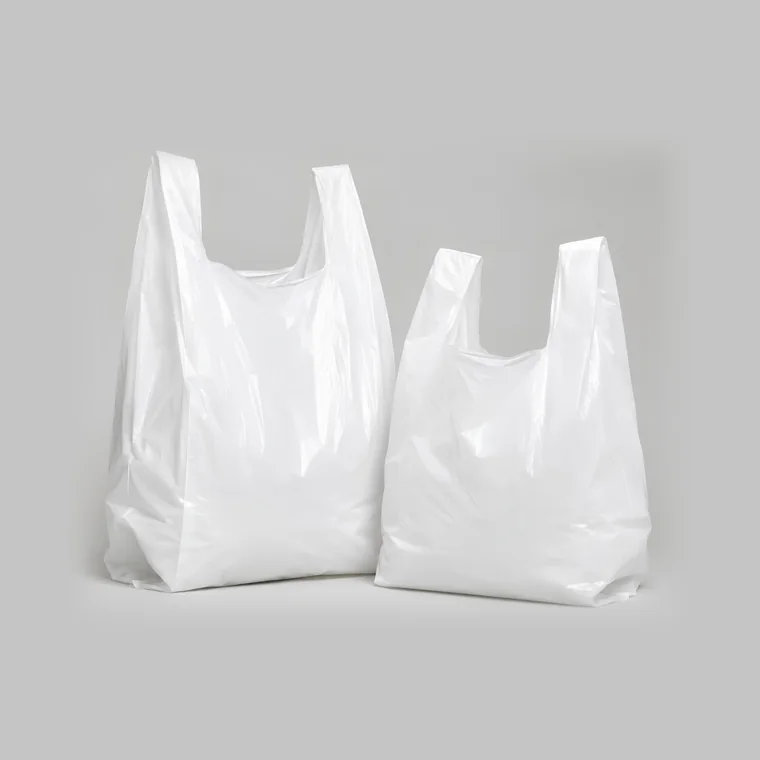
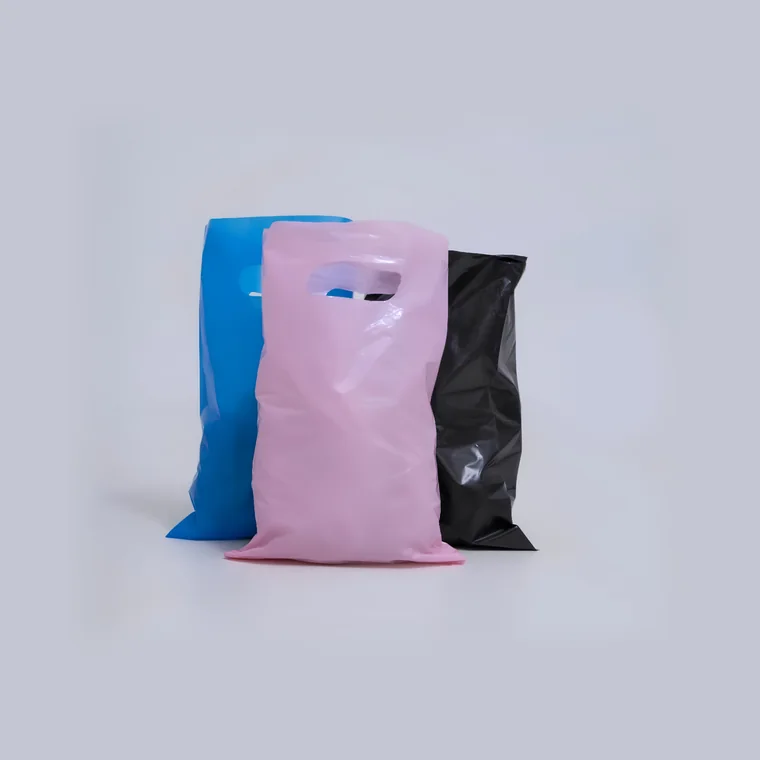
Ayoba Plastics is a genuine manufacturer — eight packaging lines running from 11 New Davies Way, Prospect Industrial Area, since 2019. Carrier bags, boutique bags, clear bags, bin liners, shrink wrap, ice bags, layflat tubing and auto pack, all made on your own floor.

But the whole of that story currently lives on a Facebook page with 186 followers. A procurement officer at a supermarket group, a hotel chain or a school cannot search you on Google, cannot see your sizes, cannot compare your prices, and cannot forward a link to their finance manager. Prices sit in the comments under posts. Product information sits between posts about public holidays. Every enquiry starts from zero, and every buyer who does not already know you never arrives.

We have designed and built the complete website — six pages, already live and clickable — drawing on how the best industrial manufacturers and premium installation firms present themselves: a hero that says what you make in one line, published specifications, a real pricing table, sector pages written for the buyer, and a quote path on every screen.

Nothing about the brand changes. Your logo is untouched — the exact artwork, not a redraw. The palette is your own: Ayoba red #CE1115, black and white, sampled from the logo itself and applied only more consistently and more confidently.

What changes is everything around it: structure, typography, product information, pricing transparency, mobile speed and the route from “interested” to “send me a quote”. The result is a business address you can put on an invoice, a bag, a tender document and a vehicle — and that works while the factory is closed.

6Pages built
8Product lines, specs published
100%Brand palette retained
<2 wksFrom approval to live
02 · The new design

The new home page — live and interactive.

This is not a mock-up. It is the actual rebuilt home page, embedded below. Scroll inside the frame, hover the product cards, follow the links, and switch between desktop, tablet and mobile views.

ayobaplastics.co.zw — proposed website

The full build covers all six pages — Home, Products & Specifications, Custom Printing, Industries, About and Contact — delivered with this proposal.

Open the full build in a new tab  →
All six pages, fully navigable — best experienced full-screen, and on your phone.

03 · What changes & why

Facebook page today vs. the proposed website.

A side-by-side view of every meaningful decision in the redesign, and the reasoning behind it.

AreaToday — Facebook page onlyProposed website
First impression A feed. Product posts sit between Heroes Day and Workers Day graphics, and a visitor has to scroll and guess what you actually manufacture. A full-height hero that states what you make, where you make it and how to buy, in one screen — with the eight product lines directly beneath it.
Being found A Facebook page will not rank for “carrier bags Harare” or “bin liners Zimbabwe”. Buyers who do not already follow you never see the page. Six pages, each with its own title, description and heading structure written around the terms buyers actually search — product names, sector names and Harare.
Product information Sizes and specifications are scattered across thirty-plus posts. There is no single place a buyer can see the range. Every one of the eight lines gets its own section: formats, dimensions, typical use, print options and how it is priced — all on one page with a jump menu.
Pricing Prices only appear when someone asks in the comments, and only that person sees the answer. A published indicative pricing table — clear bags from US$8 per 1,000, carriers from US$22 per 1,000, bin liners at US$15 and US$18 per 100 — so a buyer can budget before calling.
Credibility with big buyers 186 followers and a Gmail address. To a procurement officer that reads as informal, and often fails a supplier-vetting checklist. Six years, eight lines, one plant and a physical address presented as trust signals above the fold — on a real domain that can carry a real company email.
The enquiry path A Message button into a Facebook inbox, checked when someone remembers to check it. Click-to-call, WhatsApp and a quote button on every screen, plus a six-field quote form that opens a pre-filled email. Three routes instead of one.
Mobile experience The Facebook app is heavy on data and full of other people’s adverts — on a Zimbabwean mobile bundle, that costs your customer money to browse. Hand-built HTML and CSS, no page builder, no frameworks, no tracking scripts. It loads fast on mobile data and holds attention on the product.
Custom printing Shown occasionally in a post, never explained. Buyers do not know they can bring you artwork. A dedicated Custom Printing page that sells print as a service — what you print on, what artwork to send, and the four-step approval process.
Sector targeting One message for everyone, so nobody sees themselves in it. An Industries page addressing eight buyer types — supermarkets, butcheries, bakeries, ice producers, agriculture, hospitality, estates and manufacturers — each linked to the right products.
Ownership Meta owns the page, the reach and the audience. A policy change or a lockout takes the whole presence with it. You own the domain, the site and the enquiries. The Facebook page keeps working — but it now points somewhere that belongs to you.
04 · The business case

The value we expect this to add — and why.

Six commercial outcomes, each with the reasoning behind it. None of them depend on advertising spend.

01

You become findable at the moment of need

Packaging is bought reactively — a shop runs low on carriers, a butchery splits a batch of bags, a school changes cleaning contractors. That buyer opens Google, not Facebook. Six indexed pages put you in that search.

Why we believe thisEvery study of industrial buying behaviour finds the same pattern: the buyer researches independently and only contacts a supplier once they have shortlisted. If you are not in the research phase, you are not in the shortlist.
02

Bigger buyers can finally say yes

Supermarket groups, hotel chains, mines, schools and NGOs run supplier-vetting checklists before they raise a first order. A website and a domain email are usually on that list; a Facebook page and a Gmail address are usually not.

Why we believe thisThis is the single cheapest way to move from informal supplier to approved supplier. The order sizes on the other side of that line are the reason the site pays for itself.
03

Published specifications cut your quoting workload

Dimensions, formats and price breaks are on the page. The enquiries you receive are then from buyers who already know what they want, at a price they have already accepted.

Why we believe thisResearch into industrial buyer drop-off identifies “contact us for specs” as a leading cause of abandonment — and forms with more than five or six fields as the second. The new site publishes the specs and keeps the form to six fields.
04

Printing stops being a favour and becomes a product

Custom printing is the highest-value thing Ayoba does, and today it is almost invisible. A dedicated page — with an artwork guide that tells a shop owner exactly what to send — turns it into something buyers ask for by name.

Why we believe thisThe barrier is rarely price; it is that a small retailer does not know printing is available to them, or assumes they need a designer. Removing that uncertainty converts plain-bag customers into printed-bag customers at a better margin.
05

Fewer enquiries lost between interest and contact

Click-to-call, WhatsApp and a quote form follow the visitor down every page, on every device. Someone deciding at 9pm can still start the conversation.

Why we believe thisA persistent, visible call to action on every screen is the most consistently recommended conversion pattern in contractor and manufacturer web design — and WhatsApp is how Zimbabwean business actually talks.
06

You own the asset, not the platform

The site, the domain and the enquiry data are yours. Your Facebook page keeps doing what it does well — but it now links to something you control.

Why we believe thisReach on a social page is rented and can be reduced overnight. A domain with a working site is a business asset you can put on invoices, vehicles, tenders and the bags themselves.
05 · Investment

Simple, transparent pricing.

One once-off fee for the complete website, with an optional monthly retainer to keep it fast, current and secure.

Website Redesign

Once-off project fee

$350 USD · once-off
  • Full six-page build — Home, Products & Specifications, Custom Printing, Industries, About and Contact
  • Your logo and colour palette preserved exactly, unchanged
  • Mobile-first responsive build; tested on desktop, tablet and phone
  • All eight product lines written up with dimensions, uses and pricing
  • Copy editing throughout — all content written for buyers, not for filler
  • On-page SEO: per-page titles, descriptions and heading structure
  • Deployment to your domain, SSL and redirects; WhatsApp and click-to-call wired
  • Two rounds of revisions included
Approve & start

50% deposit (US$175) on commencement, balance on go-live. The site is already built — go-live in under two weeks of approval. Domain registration and hosting are quoted separately and paid direct to the provider.

Optional add-on

Care & Growth Retainer

The site stays fast, current and secure — without occupying anyone at the factory

$35 USD /month
  • Content updates — new products, new sizes, price changes — within 2 business days
  • Seasonal promotions and price lists published to the site as you run them
  • Hosting, uptime and security monitoring; monthly off-site backups
  • Quarterly report on visitors, search visibility and where enquiries came from
  • Product photography from your own factory added and optimised as you supply it
  • Ongoing minor design refinements as the business grows
Approve & start

The build fee is US$350 with or without the retainer. Month-to-month — begin at go-live or later, cancel any time on one month’s notice. Fees exclusive of any applicable taxes.

06 · Next steps

Live in under two weeks.

Day 1

Acceptance

Sign-off on this proposal and your chosen option; deposit invoice issued.

Days 2–5

Refinement

One review round: your trading hours, confirmation of the indicative prices shown, and your own factory and product photography added.

Days 6–9

Technical launch

Domain pointed, SSL installed, quote form and WhatsApp links wired, site deployed and the Facebook page linked to it.

Days 10–12

Hand-over

Walkthrough with your team, a plain-English editing guide, and the 30-day support window begins.

Ready when you are.

Approve the proposal and the new Ayoba Plastics website can be live in under two weeks.

Let’s build it → or WhatsApp me: +263 78 459 3766